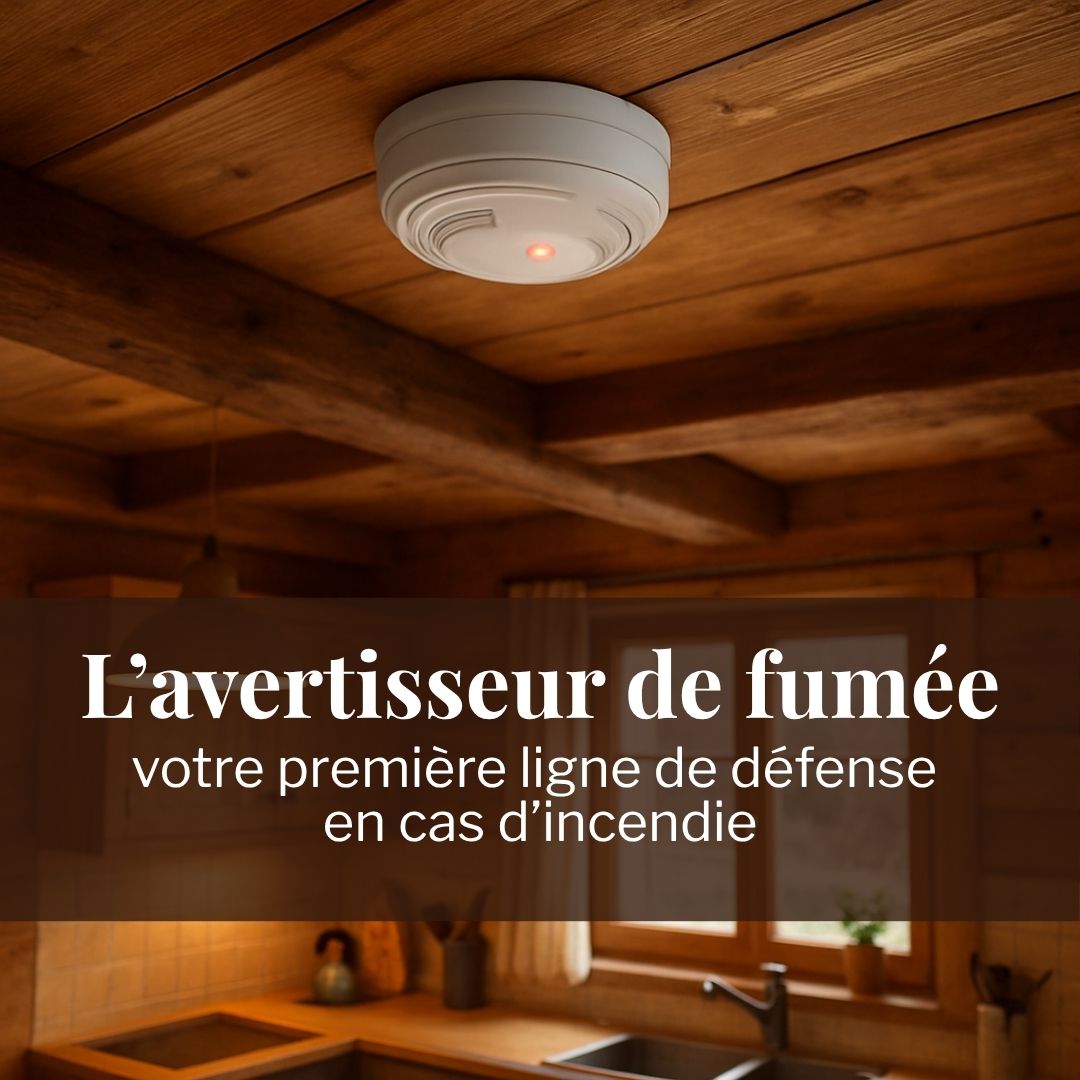
We often talk about smoke alarms, but their discreet cousin—the carbon monoxide detector—deserves just as much attention, if not more. Carbon monoxide, also known by the abbreviation CO, is a particularly treacherous gas: invisible, odorless, and deadly. Unlike smoke from a fire, it leaves no visible signs, no odor, no natural warning. People exposed may experience symptoms similar to those of the flu—headaches, nausea, dizziness—without ever suspecting the real cause, until it’s too late.
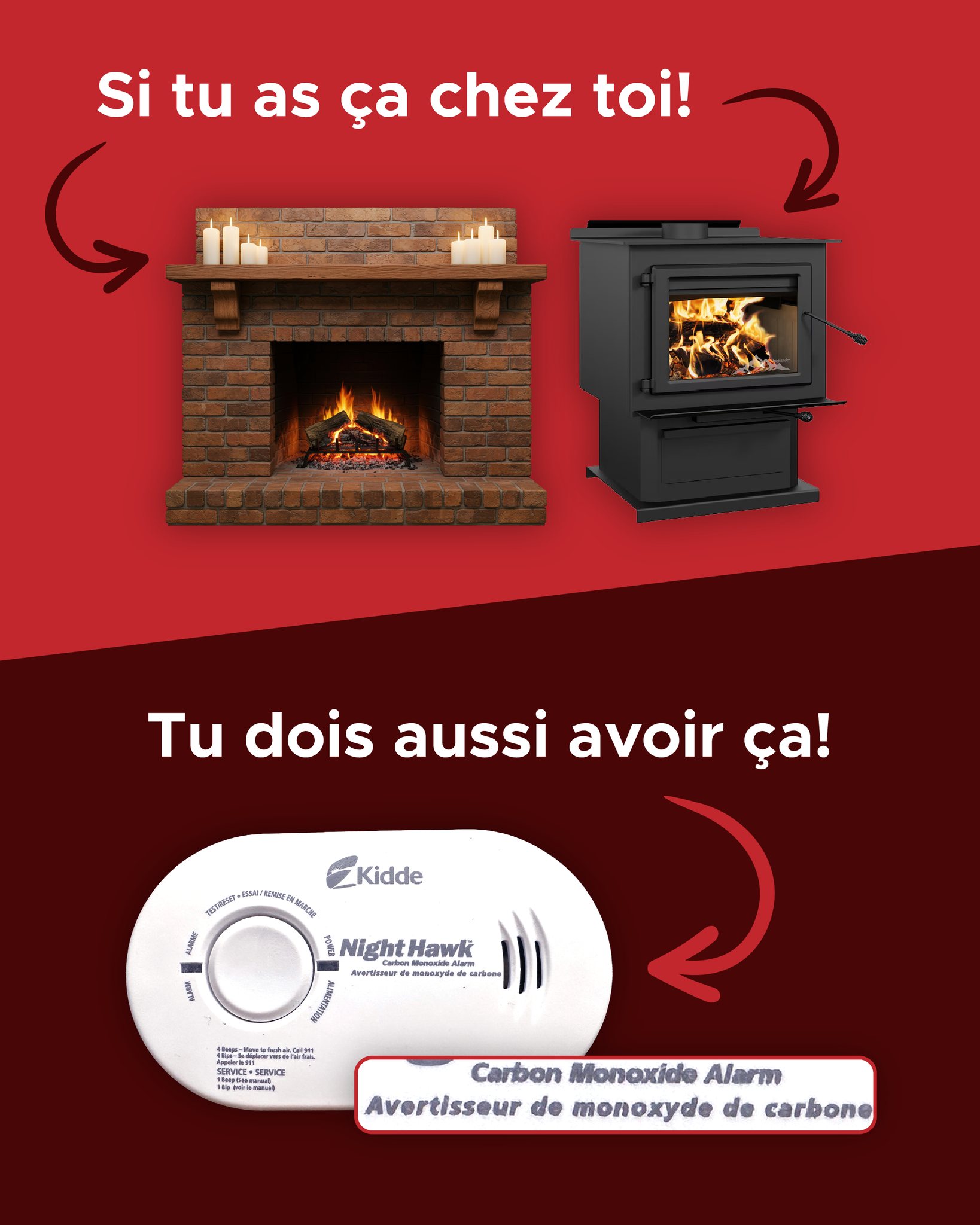
This is precisely why the carbon monoxide detector plays an essential role: it alerts occupants of a home with an audible signal when there is an abnormal level of CO, allowing them to react quickly, prevent poisoning, and save lives. It’s not a luxury or a gadget—it’s a necessity.
Choosing the Right Model
All carbon monoxide detectors sold in Canada must meet Canadian standards and bear the “ULC” logo of Underwriters Laboratories of Canada. This logo is your first guarantee of quality and reliability. Before purchasing, check with your local fire safety service to see if there are specific municipal regulatory requirements regarding the type of device authorized.
In terms of models, the battery-operated detector is the most common, and it is recommended to choose models equipped with lithium batteries, which can last up to 10 years. For those who prefer a plug-in solution, there are electric detectors in two versions: the plug-in model that goes into an electrical outlet and the permanent model, installed by an electrician. Finally, combination models—which integrate both a CO detector and a smoke alarm—are available on the market. While practical, they must be installed following the recommendations specific to smoke alarms.
Where to Install Detectors: Covering All Angles
The placement of detectors is as important as their presence. To ensure all occupants can hear the signal in case of activation, it is recommended to install a detector on each floor, including the basement, in the hallway near bedrooms, in each bedroom where someone sleeps with the door closed, near stairways, near the door of the attached garage, and in the room directly above that garage.
Conversely, certain locations should be avoided to ensure proper operation of the devices. Do not install a detector in rooms subject to extreme temperatures (above 37.8°C or below 4.4°C), in the kitchen, in the bathroom or any humid room, within 2 meters of a cooking or combustion appliance such as a fireplace, or near an air intake or outlet such as a ventilation system. Also avoid unventilated rooms containing chemicals, the interior of a garage, cathedral ceilings, and outlets controlled by a wall switch.
Maintenance: A Simple Routine That Makes All the Difference
A poorly maintained detector can let you down at the most critical moment. Fortunately, maintenance is minimal and quick. Each month, simply press the test button for a few seconds to check the audible signal. If your devices are connected to a monitoring center, remember to notify your provider before conducting the test.
Once a year, it is recommended to clean the outside of the housing by gently vacuuming it. Never paint detectors, as this could obstruct the detection openings and compromise their effectiveness.
For batteries, choose long-life batteries such as lithium ones, without using rechargeable batteries unless they are specifically recommended by the manufacturer. Replace batteries as soon as you hear an intermittent audible signal or when you move into a new home.
Finally, keep in mind that carbon monoxide detectors have a limited lifespan and must be replaced according to the manufacturer’s recommendations. An aging device can lose sensitivity without showing any visible signs of failure.
In Summary: What You Need to Remember
- Carbon monoxide is invisible, odorless, and deadly—none of your senses can detect it.
- Only a ULC-certified CO detector can protect you and your family.
- If the alarm sounds: get out immediately and call 9-1-1. Don’t waste time looking for the source.
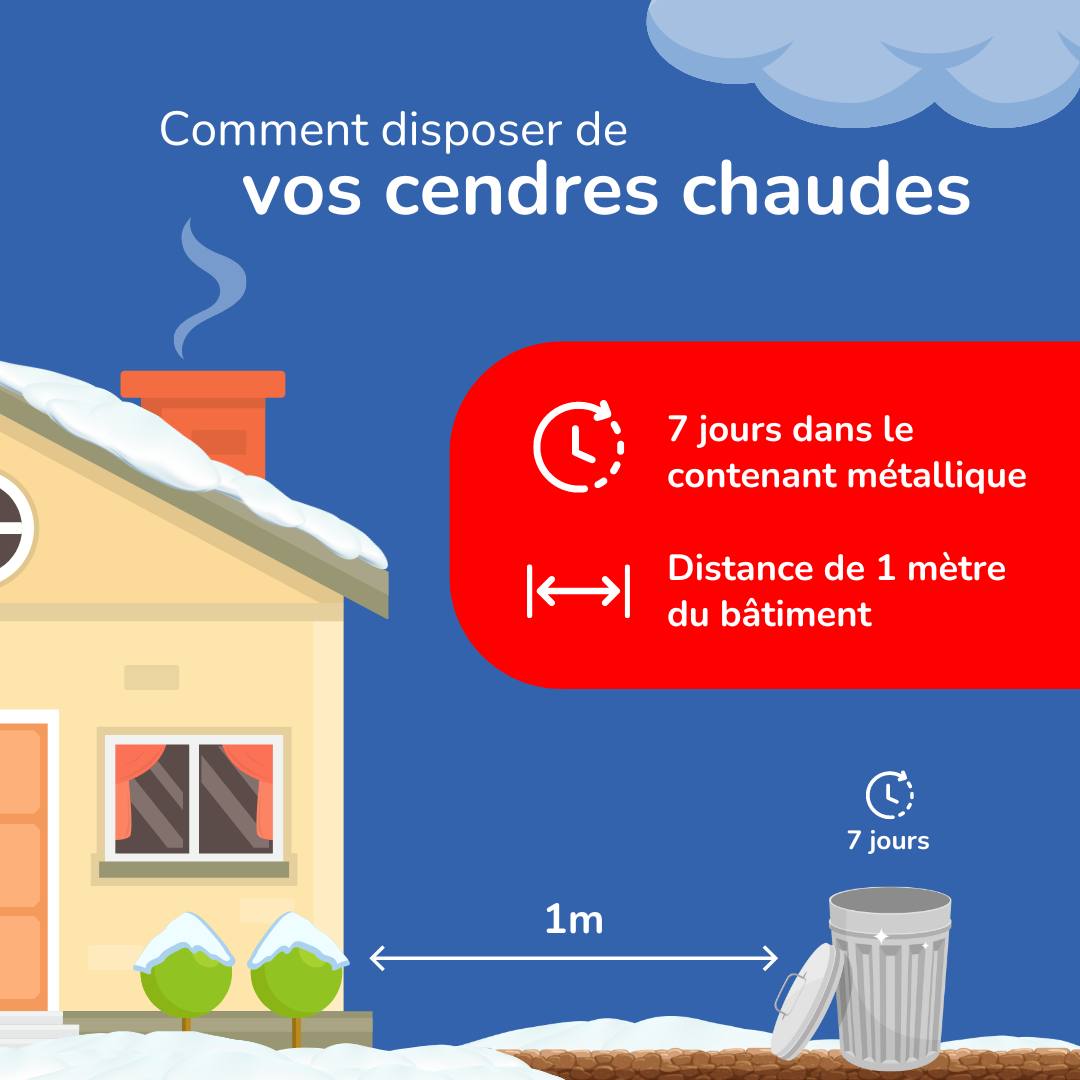
- The main sources of CO in a home are: the furnace, fireplace or any non-electric stove, a car in an attached garage, gas or propane appliances, gasoline-powered tools, and ashes stored indoors.
- Golden rule: what is designed for outdoors—BBQ, generator—stays OUTSIDE. Always. Without exception.
- Install a detector on every level, near bedrooms, and around the attached garage.
- Test your devices monthly, clean them annually, and replace batteries as soon as an intermittent signal sounds.
- Respect the device lifespan indicated by the manufacturer and replace it accordingly.
Prevention costs almost nothing. Inaction can cost everything.